

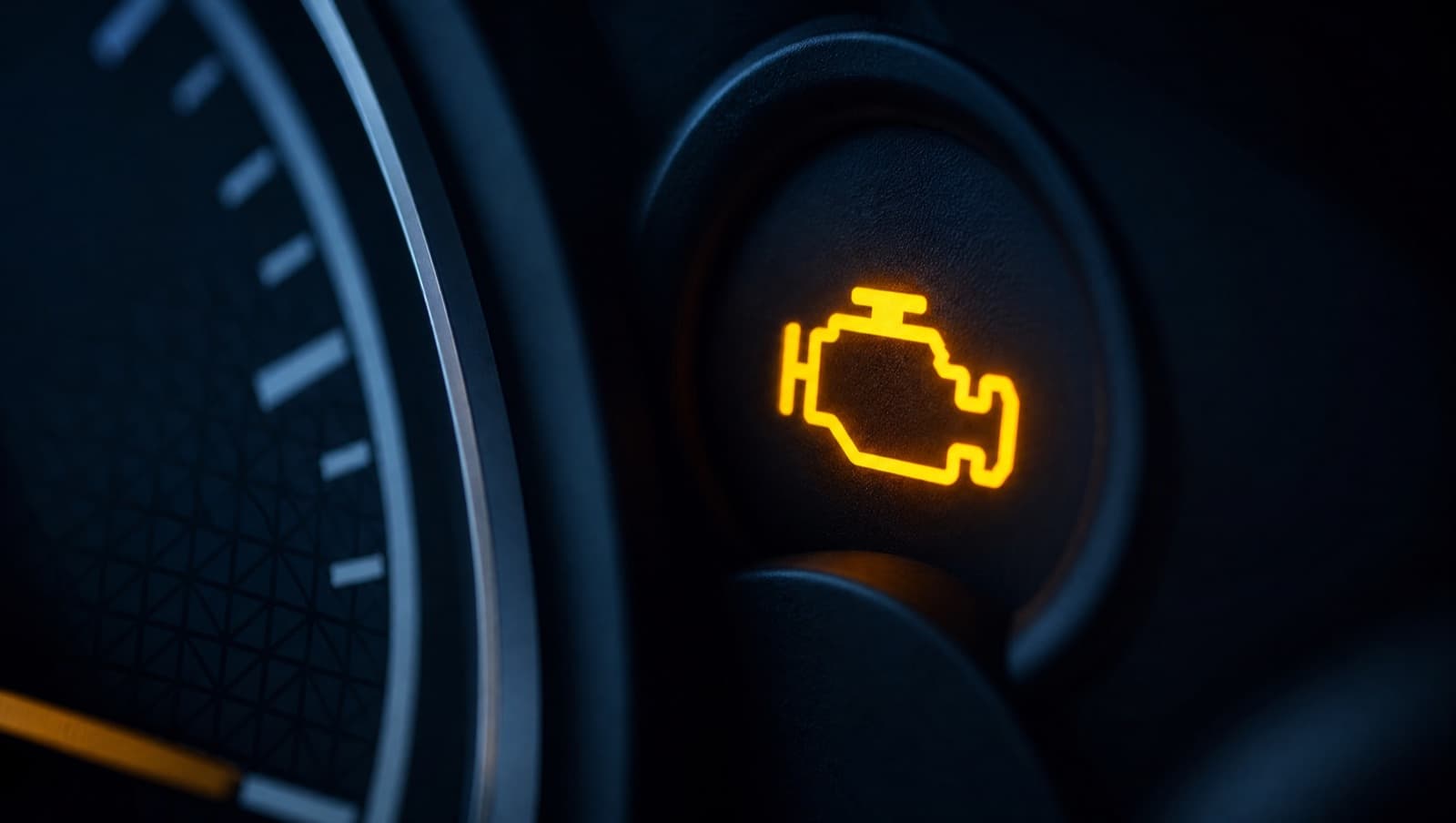
When the check-engine light appears, the first question is usually: can I keep driving? The honest answer is "it depends," but there's a quick way to decide, and most of it comes down to one detail.
Steady vs flashing: the key difference
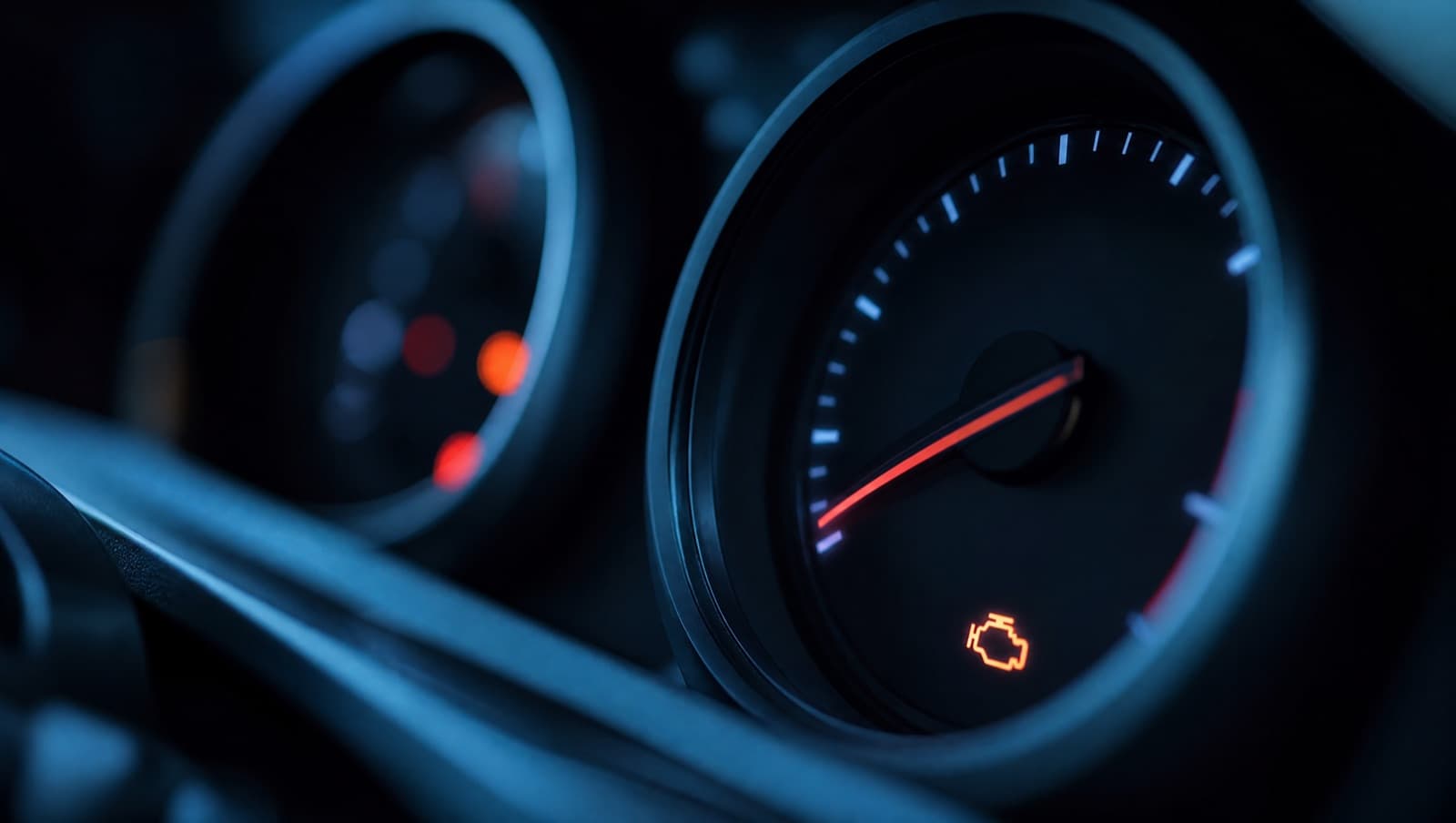
- •Steady light: a fault is logged but considered non-critical. Usually safe to drive carefully to a workshop soon.
- •Flashing light: an active, potentially damaging condition (often a misfire). Reduce power and get help promptly.
Check for real symptoms too

Regardless of steady or flashing, pull over safely if you notice overheating, a loss of power, strange noises, smoke, or a burning smell. Those signs override the light: stop, switch on the hazards, and reassess rather than pushing on.
Make the decision with data

A 60-second OBD-II scan removes the guesswork. Reading the code tells you which system is affected and how serious it is, and live data shows whether something like coolant temperature or battery voltage is out of range right now. AutoMalaya OBD turns that into a clear risk level so you know whether to drive on or stop.
Quick rule of thumb
- •Flashing light or real symptoms: stop or drive minimally, get help.
- •Steady light, car feels normal: scan it, then drive gently to a workshop soon.
- •Either way: don't ignore it for weeks; small faults can become big ones.