

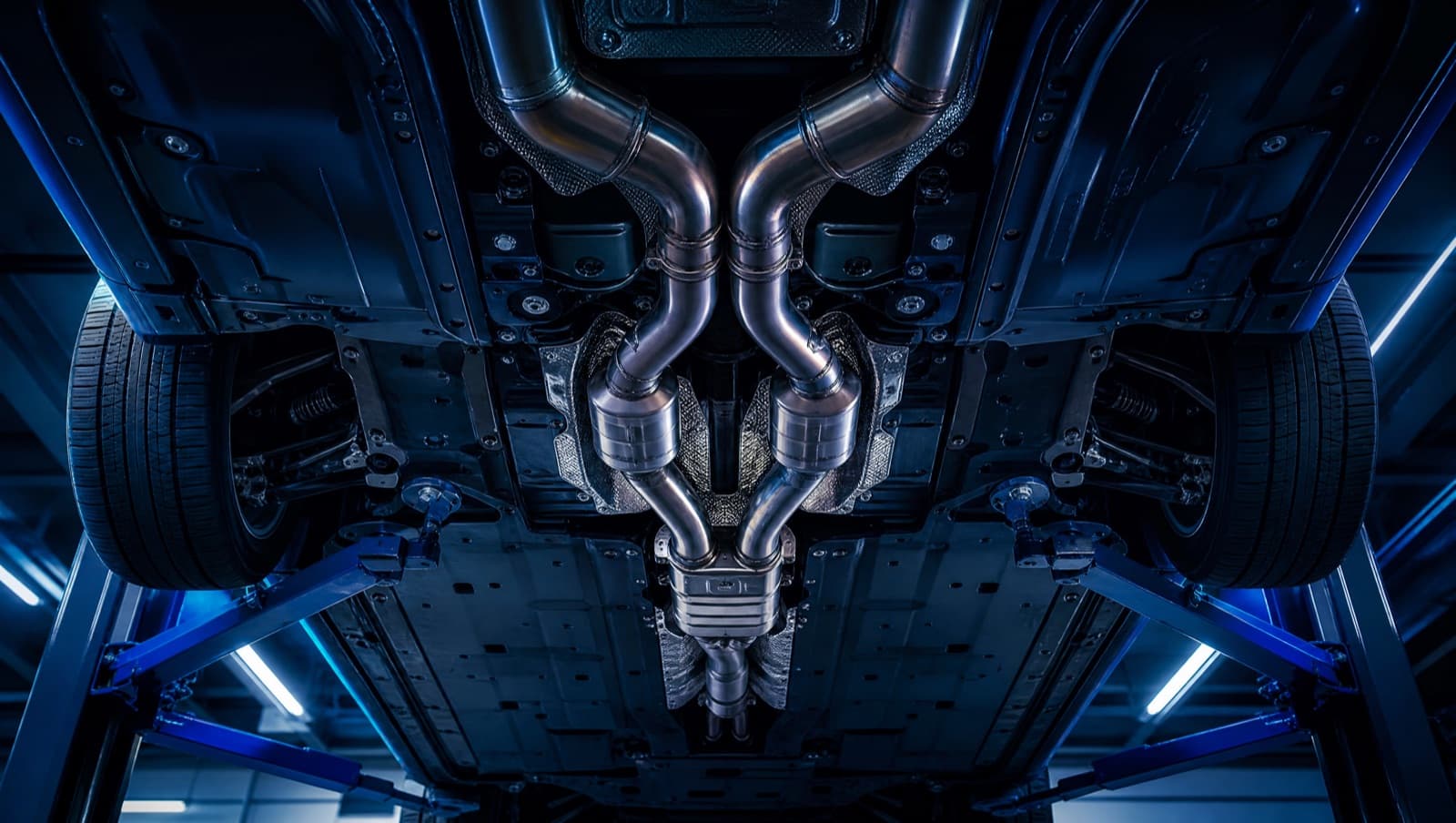
P0420 is one of the most common, and most misdiagnosed, fault codes. It often gets "fixed" with an expensive catalytic converter when the real cause was a cheap sensor or an exhaust leak. Here's how to think about it properly.
What P0420 means
The full name is "Catalyst System Efficiency Below Threshold (Bank 1)." The car compares the oxygen sensors before and after the catalytic converter. If their readings look too similar, the computer concludes the converter isn't cleaning the exhaust as well as expected, and sets P0420.
Likely causes (in order)
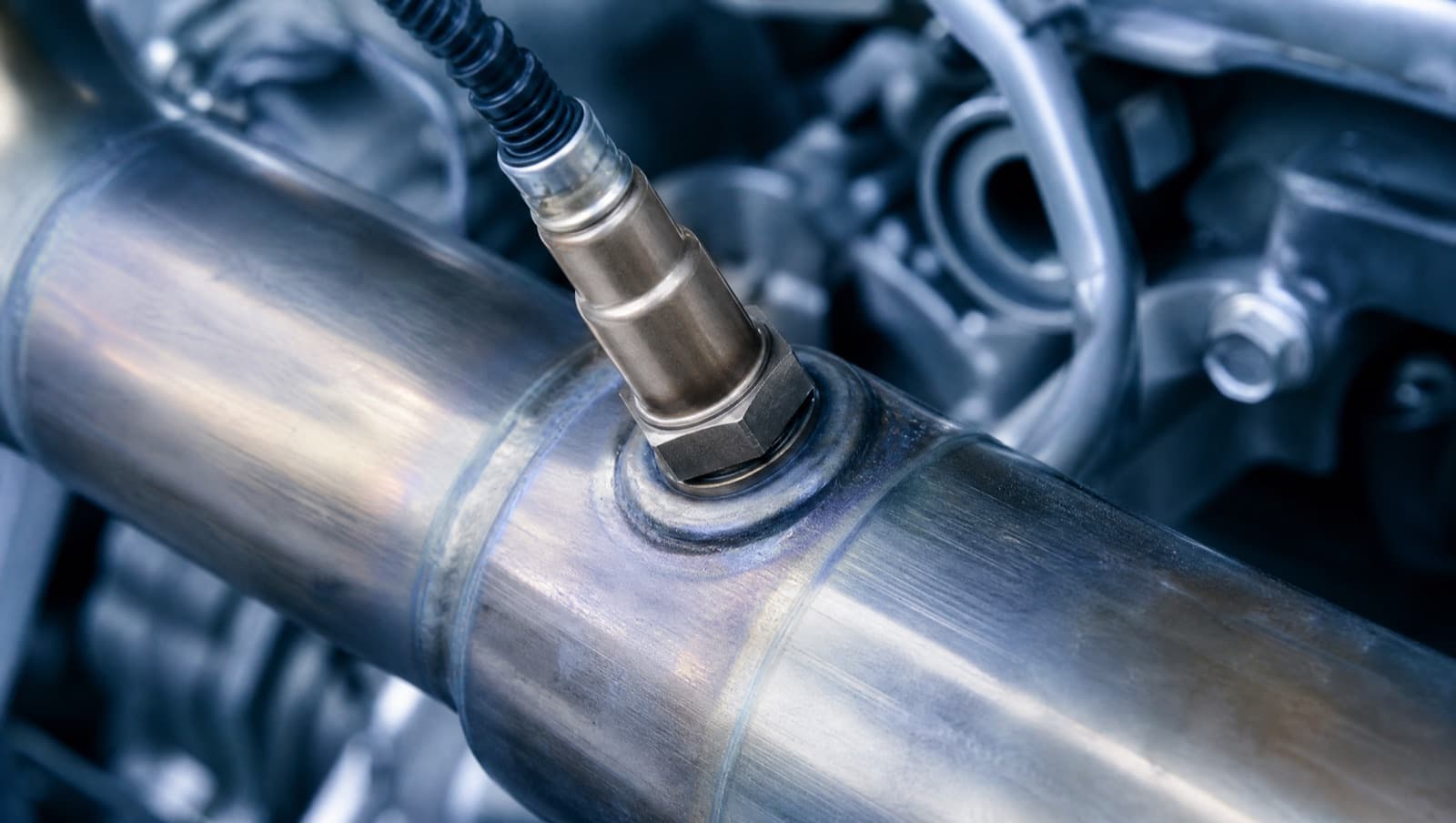
- •A faulty or aged downstream oxygen sensor (common and far cheaper than a converter).
- •An exhaust leak near the sensors skewing readings.
- •An engine running rich or lean, which can damage the converter over time.
- •A genuinely worn-out catalytic converter, often from age or prior misfires.
Is it safe to drive?
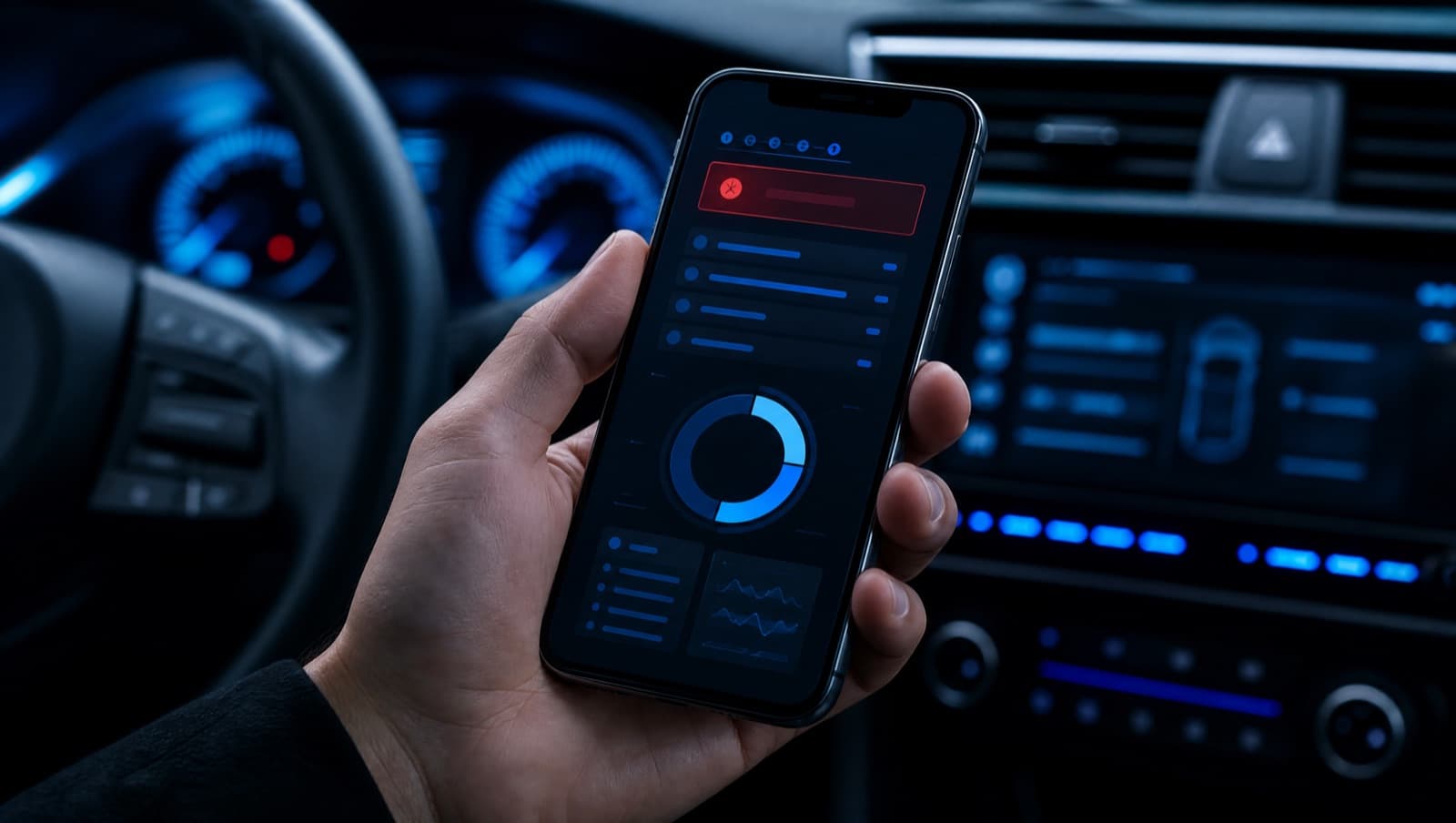
Usually yes, in the short term: a steady light with P0420 won't strand you. But it will likely fail an emissions test, may slightly affect economy, and an underlying rich or lean condition can make things worse. Plan a proper diagnosis rather than ignoring it.
How to diagnose before spending

- •Check for other codes first, especially misfires or fuel-trim codes; fix those before blaming the converter.
- •Inspect for exhaust leaks around the sensors.
- •Consider the downstream oxygen sensor's age and condition.
- •Only replace the converter once sensors, leaks, and fueling are ruled out.
In Malaysia, an oxygen-sensor repair is typically far cheaper than a catalytic converter, which is why diagnosis matters. AutoMalaya OBD shows P0420 alongside any related codes and an approximate cost range, so you can question a converter quote that skips the cheaper checks.