

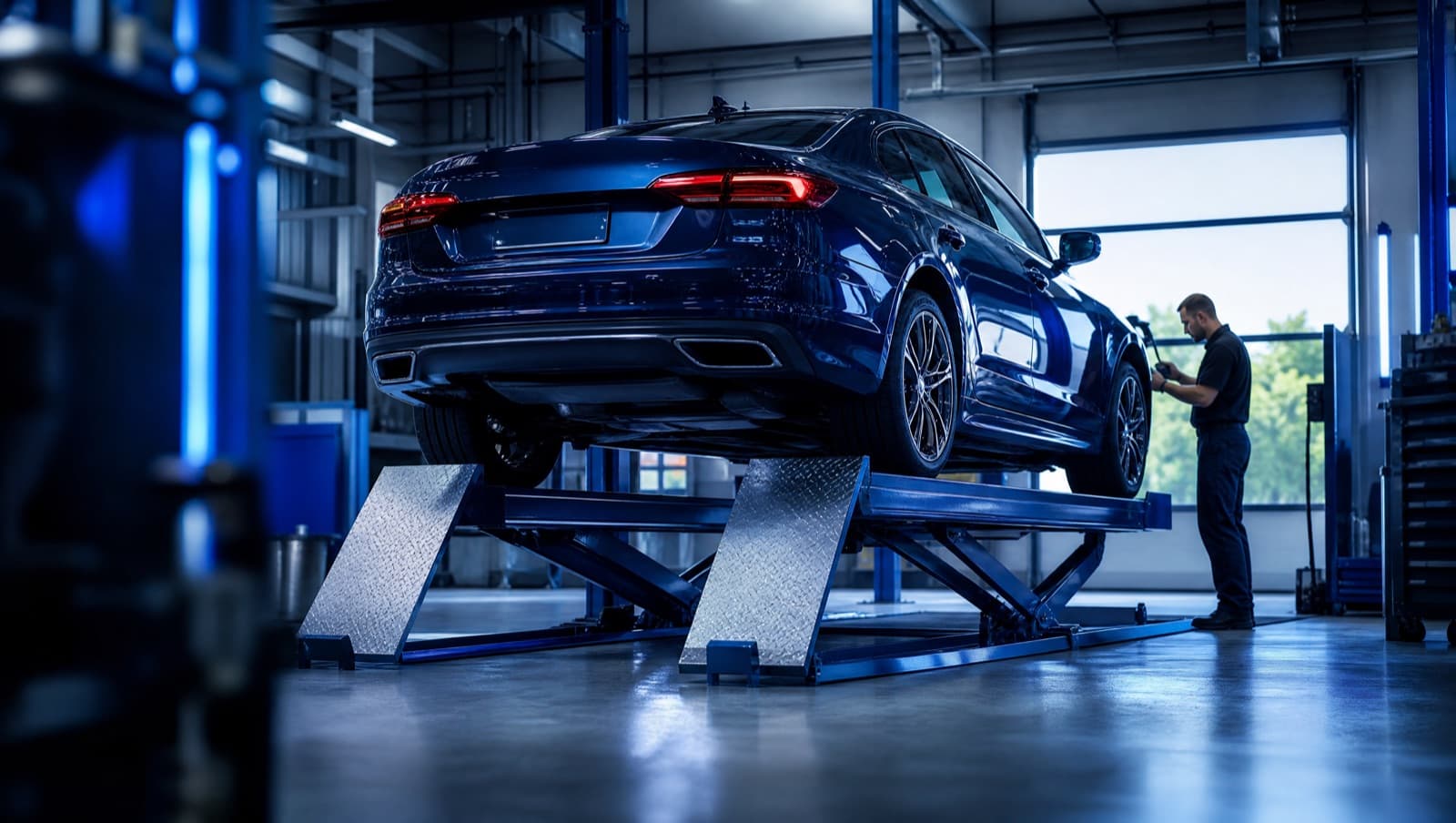
PUSPAKOM is Malaysia's vehicle inspection company. Inspections are commonly required for things like transferring ownership of a used car and for commercial vehicles. Knowing what's checked, and fixing obvious issues beforehand, is the easiest way to pass on the first visit.
Always confirm current requirements and which inspection type applies to your situation with PUSPAKOM directly, as rules and procedures can change.
What inspectors typically check

- •Identity: chassis and engine numbers matching the registration.
- •Body and structure: signs of major past damage or corrosion.
- •Lights, signals, wipers, and horn.
- •Tyres, brakes, and suspension.
- •Emissions and exhaust condition.
Under the car
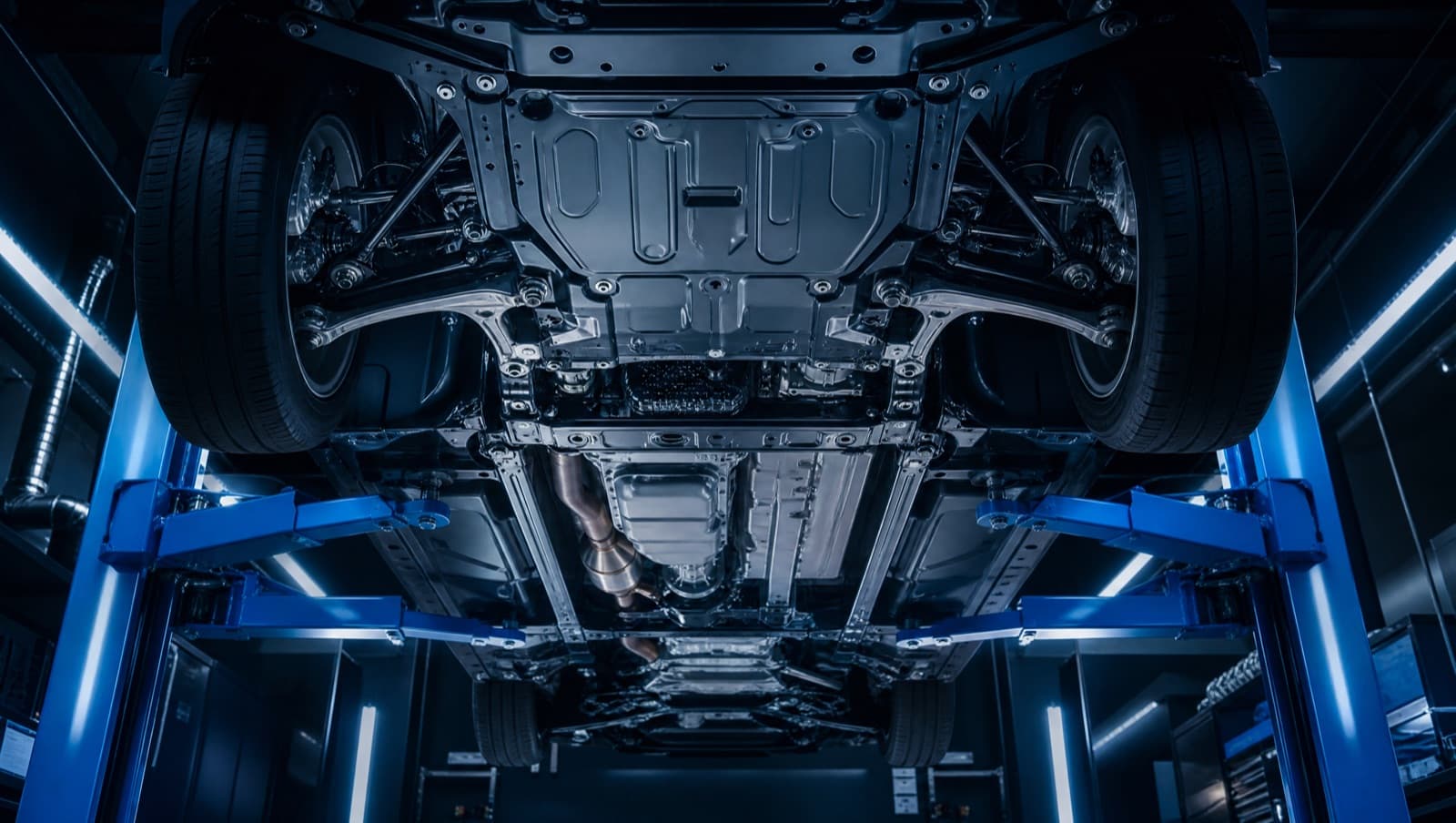
On the hoist, inspectors look at the underbody, suspension components, and for fluid leaks. Worn or leaking parts are common reasons for a re-inspection, so it's worth checking these in advance with a trusted workshop.
Emissions and the check-engine light
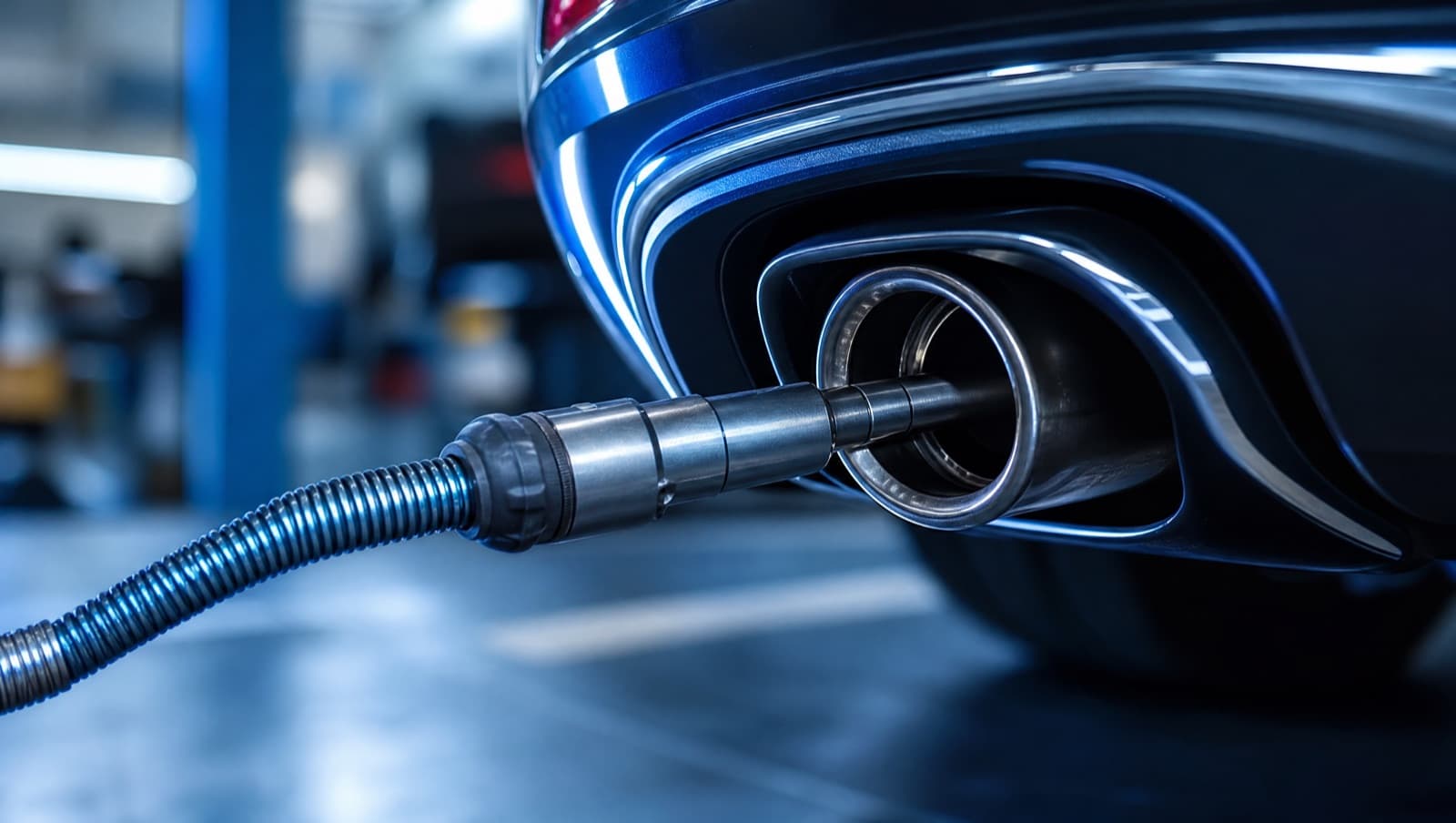
A lit check-engine light, or emissions-related fault codes, can work against you. This is where a quick OBD-II scan beforehand helps: you can see stored codes, confirm whether emissions readiness monitors are complete, and fix issues before the inspection rather than failing and coming back.
Important: don't simply clear codes right before an inspection. Clearing resets readiness monitors to "not ready," which is itself a red flag. Fix the cause, drive a normal cycle so monitors complete, then go.
Quick preparation checklist
- •Bring the registration (geran) and required documents.
- •Check all lights, signals, wipers, and the horn work.
- •Inspect tyres, and top up fluids; fix visible leaks.
- •Scan for fault codes and resolve emissions issues in advance.
- •Give the car a clean, including the chassis number area.